Direct Compression Moulding (DCM)
What is Direct Compression Moulding (DCM)?
Direct Compression Moulding (DCM) forms solid polymer components through controlled compression and sintering. Polymer powder is consolidated under pressure and temperature to produce near-net-shape or net-shape components.
Orthoplastics uses DCM for medical-grade UHMWPE, producing individually moulded components for orthopaedic device manufacturers.
UHMWPE insert moulding and overmoulding
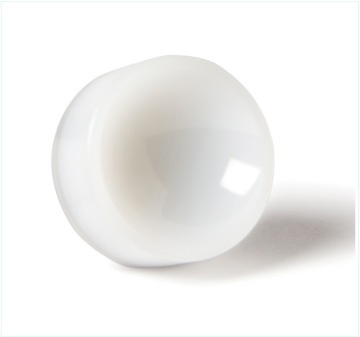
Orthoplastics has developed an insert-moulding process that allows UHMWPE to be moulded onto or into titanium, steel or ceramic parts.
Its overmoulding capabilities also support printed and porous metal technologies to create monoblock solutions for device manufacturers.
Individually moulded components and process control
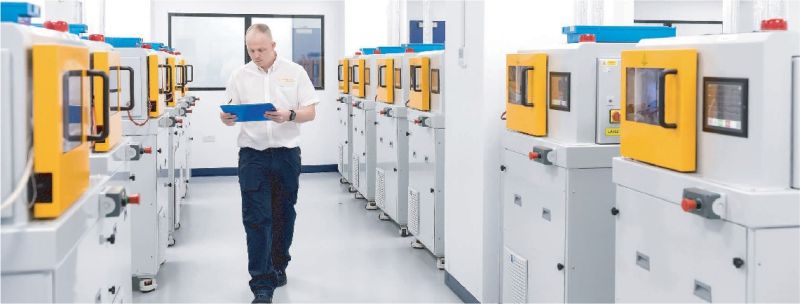
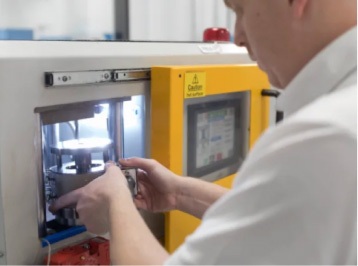
Each component is individually moulded, allowing control of pressure, temperature and time during consolidation. The process produces a high-gloss moulded surface.
Explore Orthoplastics’ quality systems and inspection processes and testing and laboratory services for supporting information.
Discuss your Direct Compression Moulding project
Orthoplastics offers support and advice throughout the manufacturing process. To discuss a DCM project, contact our team with your component design, material, production volume and required tolerances.
Discuss Direct Compression Moulding with Orthoplastics. You can also explore our component machining capabilities.
Frequently Asked Questions
We’ve answered some of the most common queries about our materials including performance, processing, applications and more.
What does Direct Compression Moulding produce?
Direct Compression Moulding produces individually moulded near-net-shape or net-shape polymer components. Orthoplastics uses the process for UHMWPE orthopaedic components.
Can Orthoplastics mould UHMWPE onto metal or ceramic parts?
Yes. Orthoplastics’ insert-moulding process allows UHMWPE to be moulded onto or into titanium, steel or ceramic parts.
Does Orthoplastics offer overmoulding for printed or porous metals?
Orthoplastics’ DCM capabilities include overmoulding plastics with printed and porous metal technologies to create monoblock solutions for device manufacturers.
How are individual components controlled during DCM?
Each component is individually moulded, allowing control of pressure, temperature and time during consolidation. The process produces a high-gloss moulded surface.
What should I discuss with Orthoplastics about a DCM project?
Key considerations include component size, material selection, production volume and required tolerances. Contact Orthoplastics to discuss your project or explore our consultation services.